
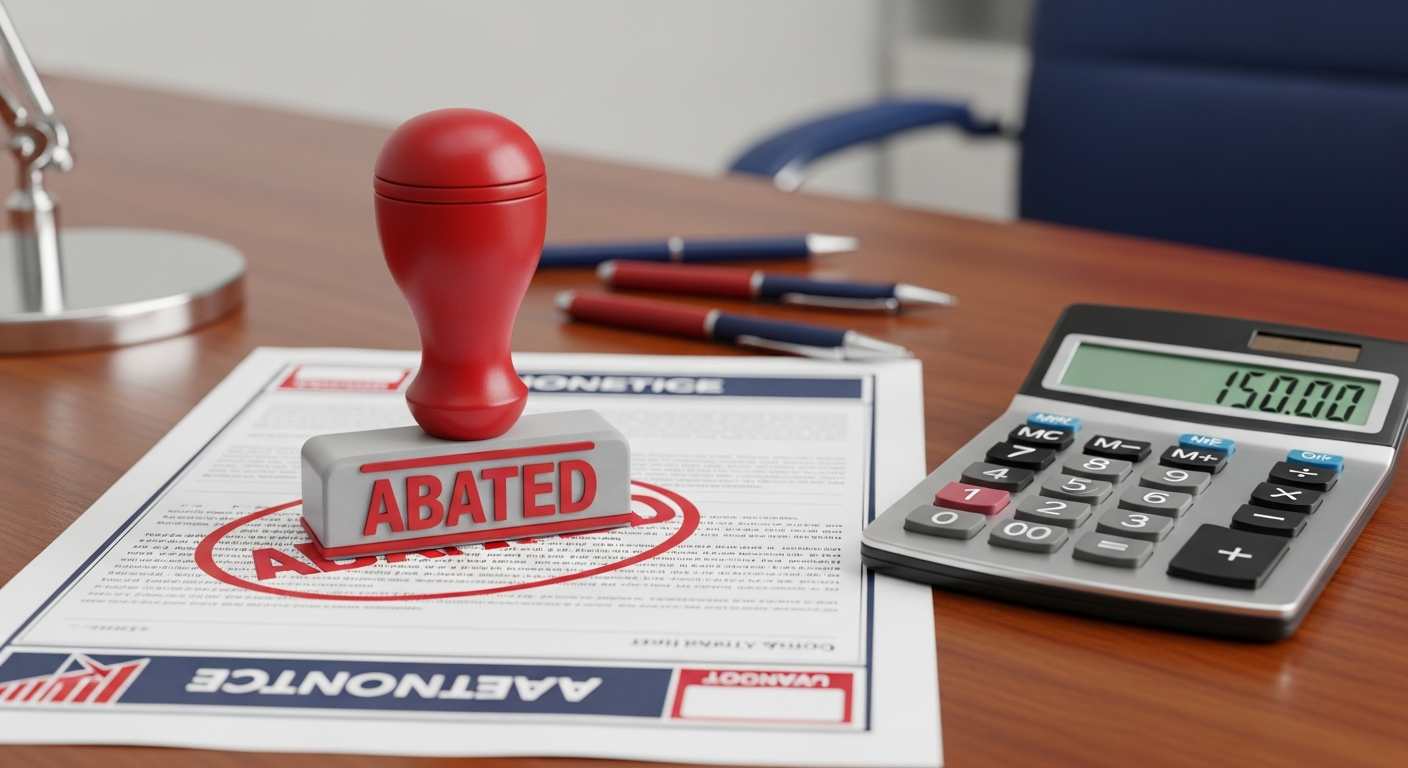
IRS penalty abatement is one of the most powerful — and underutilized — tax relief options available to American taxpayers. If the IRS has assessed penalties on your tax debt, you may have the legal right to request a reduction or complete removal of those penalties. At Nationwide Tax Relief Co, we help clients across all 50 states understand and pursue penalty abatement to minimize what they owe.
What Is IRS Penalty Abatement?
IRS penalty abatement refers to the formal process of requesting the IRS to reduce or eliminate penalties added to your tax bill. These penalties can include failure-to-file penalties, failure-to-pay penalties, and accuracy-related penalties. The IRS has the authority to remove these charges when a taxpayer can demonstrate reasonable cause for non-compliance or qualifies under other specific programs.
Types of IRS Penalties That Can Be Abated
Not all IRS penalties are eligible for abatement. However, the following common penalties can often be reduced or removed:
Failure-to-File Penalty: The IRS charges 5% of the unpaid taxes for each month a return is late, up to 25%.
Failure-to-Pay Penalty: This accrues at 0.5% per month on unpaid taxes, also capping at 25%.
Accuracy-Related Penalty: Charged at 20% of underpaid taxes due to negligence, substantial understatement, or fraud.
Information Return Penalties: Penalties for failing to file correct W-2s, 1099s, or other information returns.
3 Main Methods of IRS Penalty Abatement
First-Time Penalty Abatement (FTA)
The First-Time Penalty Abatement (FTA) is the easiest and most common way to get IRS penalties removed. You qualify if you have a clean compliance history — meaning you have filed all required returns and paid all taxes due (or arranged payment) for the past three years, and you have not previously been granted an FTA. This program can waive failure-to-file, failure-to-pay, and failure-to-deposit penalties.
Reasonable Cause Abatement
If you do not qualify for the FTA, you may still be able to get penalties removed by demonstrating reasonable cause. The IRS defines reasonable cause as a circumstance beyond your control that prevented you from complying with tax laws. Acceptable reasons include: serious illness or death of a family member, natural disaster, reliance on erroneous professional advice, or failure to receive tax notices. You must show that you exercised ordinary business care but still failed to comply.
Statutory Exceptions
Congress has established certain statutory exceptions that allow penalty abatement in specific situations. These include cases where the IRS provided incorrect written advice, or where the taxpayer received an erroneous refund that resulted in a penalty. Statutory exceptions are narrower in scope but can be powerful when they apply.
How to Request IRS Penalty Abatement: Step-by-Step
Applying for penalty abatement requires careful documentation and communication with the IRS. Here is how the process works:
Step 1: Determine Eligibility. Review your tax history to confirm you have filed all required returns and understand which penalties you want removed.
Step 2: Gather Documentation. Collect any evidence supporting your reasonable cause claim, such as medical records, insurance reports, or professional correspondence.
Step 3: Submit Form 843 or Written Request. You can request abatement by filing IRS Form 843 (Claim for Refund and Request for Abatement) or by writing a formal letter to the IRS.
Step 4: Call the IRS Directly. For FTA, you can often call the IRS and request the abatement over the phone, especially if you have a good compliance history.
Step 5: Appeal If Denied. If your abatement request is denied, you have the right to appeal through the IRS Office of Appeals.
Get Help With IRS Penalty Abatement Today
Navigating IRS penalty abatement on your own can be complex and time-consuming. A single mistake in your application can result in denial. At Nationwide Tax Relief Co, our licensed tax professionals have helped thousands of clients successfully remove IRS penalties and reduce their tax debt significantly. Contact us today for a free confidential consultation to see if you qualify for penalty abatement.